Mapping Provider-Specific Mobile Ecosystems Where Digital Payments Meet Responsible Gaming Standards in Switzerland
Blake Schulz · Oct 29, 2026
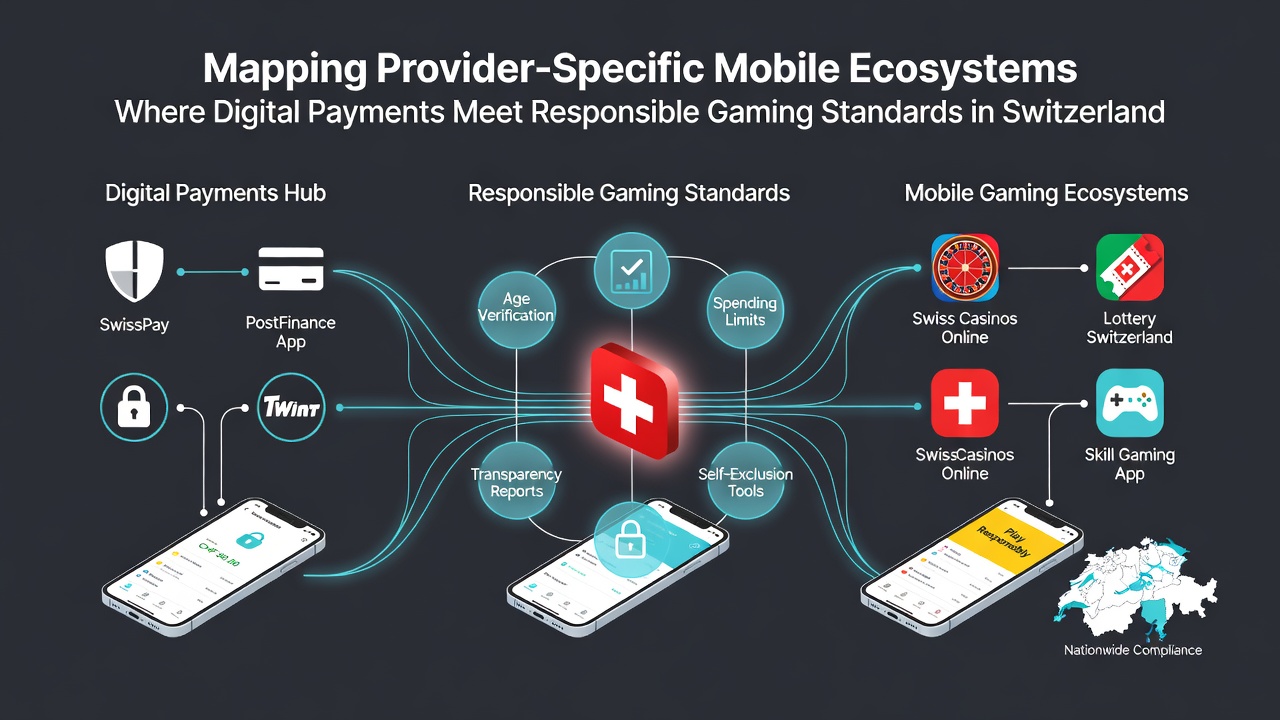
Mapping Provider-Specific Mobile Ecosystems Where Digital Payments Meet Responsible Gaming Standards in Switzerland
Switzerland maintains a structured approach to mobile gaming that ties provider-specific ecosystems directly to digital payment systems and responsible gaming protocols, with operators required to embed player protection measures at every transaction layer.
Swiss Regulatory Framework for Mobile Ecosystems
Researchers at Swiss institutions have documented how federal rules shape the way individual providers build their mobile platforms, requiring that payment gateways connect seamlessly with tools for setting deposit limits and monitoring play patterns. Data from the Federal Office of Public Health indicates that these connections help track user behavior across apps while maintaining compliance with national standards that took effect in prior years and continue through October 2026.
Observers note that each provider develops distinct mobile architectures, yet all must incorporate algorithmic checks that pause or redirect transactions when predefined thresholds are reached. Studies from the University of Zurich have shown that such integrations reduce the incidence of excessive spending by linking real-time payment data to behavioral alerts within the same application environment.
Digital Payment Integration Across Provider Platforms
Payment systems in Swiss mobile gaming operate through secure gateways that verify user identity and route funds while simultaneously feeding information into responsible gaming modules. One study revealed that providers using multi-layered verification see faster processing times and stronger adherence to self-exclusion lists because payment records update instantly across connected services.
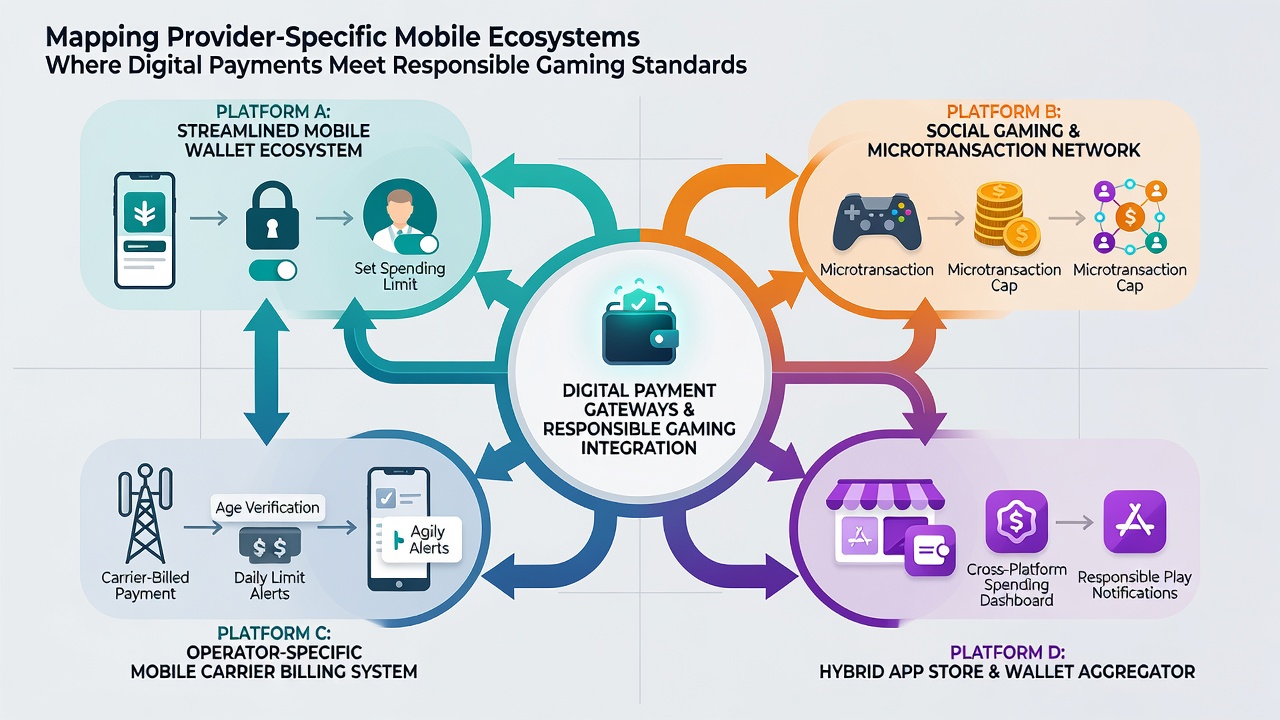
According to figures released by the Swiss Federal Gaming Board, transaction volumes in mobile channels grew steadily into October 2026, with many providers adjusting their systems to handle both instant transfers and scheduled payouts. These adjustments include automated flags that activate when spending patterns deviate from established norms, a feature that appears in several provider ecosystems without requiring separate user actions.
Provider-Specific Approaches to Responsible Standards
Individual operators in Switzerland customize their mobile apps to reflect unique combinations of payment options and protection layers. Data shows that some platforms embed limit-setting tools directly into the checkout flow, whereas others route users through separate dashboards before confirming any transfer. Academic papers from European research networks highlight that these variations allow providers to match technical capabilities with regulatory expectations while preserving distinct user experiences.
Those who have examined multiple ecosystems report that successful implementations often rely on API connections between payment processors and gaming servers, enabling continuous updates to player profiles. In October 2026, several providers rolled out enhanced encryption protocols that further secure these data exchanges, reducing potential points of failure during high-volume periods.
International Comparisons and Data Sources
Comparative analyses from the Swiss Federal Gaming Board place Swiss practices alongside models used in other regions, noting differences in how payment limits sync with self-exclusion databases. Reports from the Canadian Centre on Substance Use and Addiction provide additional context on similar integrations elsewhere, showing how cross-border lessons influence Swiss system design.
Evidence gathered by industry groups such as the European Gaming and Betting Association demonstrates that provider-specific ecosystems benefit when payment and protection functions share the same technical backbone. Figures reveal lower rates of disputed transactions in environments where these functions operate together rather than in isolation.
Conclusion
Mapping these provider-specific mobile ecosystems in Switzerland illustrates a consistent pattern where digital payments serve as both transaction channels and monitoring points for responsible gaming standards. Research continues to track developments through October 2026 and beyond, supplying updated datasets that refine how operators balance convenience with regulatory requirements across their platforms.